Hair transplant methods
Every technique below solves a different problem. Extraction method, graft count, donor anatomy and whether your follicles are miniaturised or already lost all determine which one belongs in your plan — often in combination. Each page explains the procedure, recovery, candidacy and results in full.
Sapphire FUE Hair Transplant
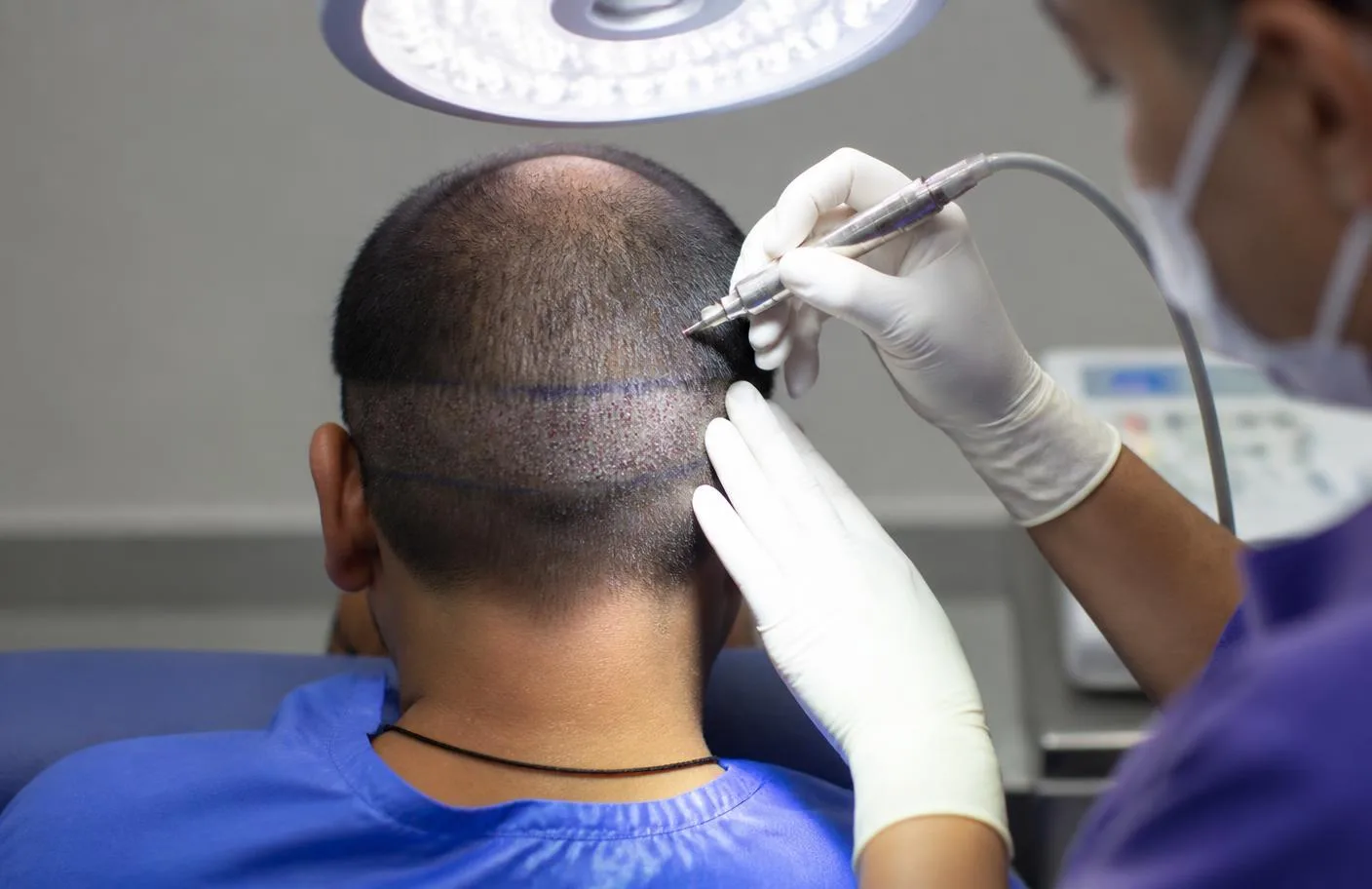
Sapphire FUE (Follicular Unit Extraction with sapphire blades) is the most requested hair restoration surgery at our Visakhapatnam clinic. Individual follicular units are harvested one at a time from the permanent donor zone and re-implanted along a hairline designed for your face — no linear scar, no stitches, and a return to desk work within two to three days.
Read the full guide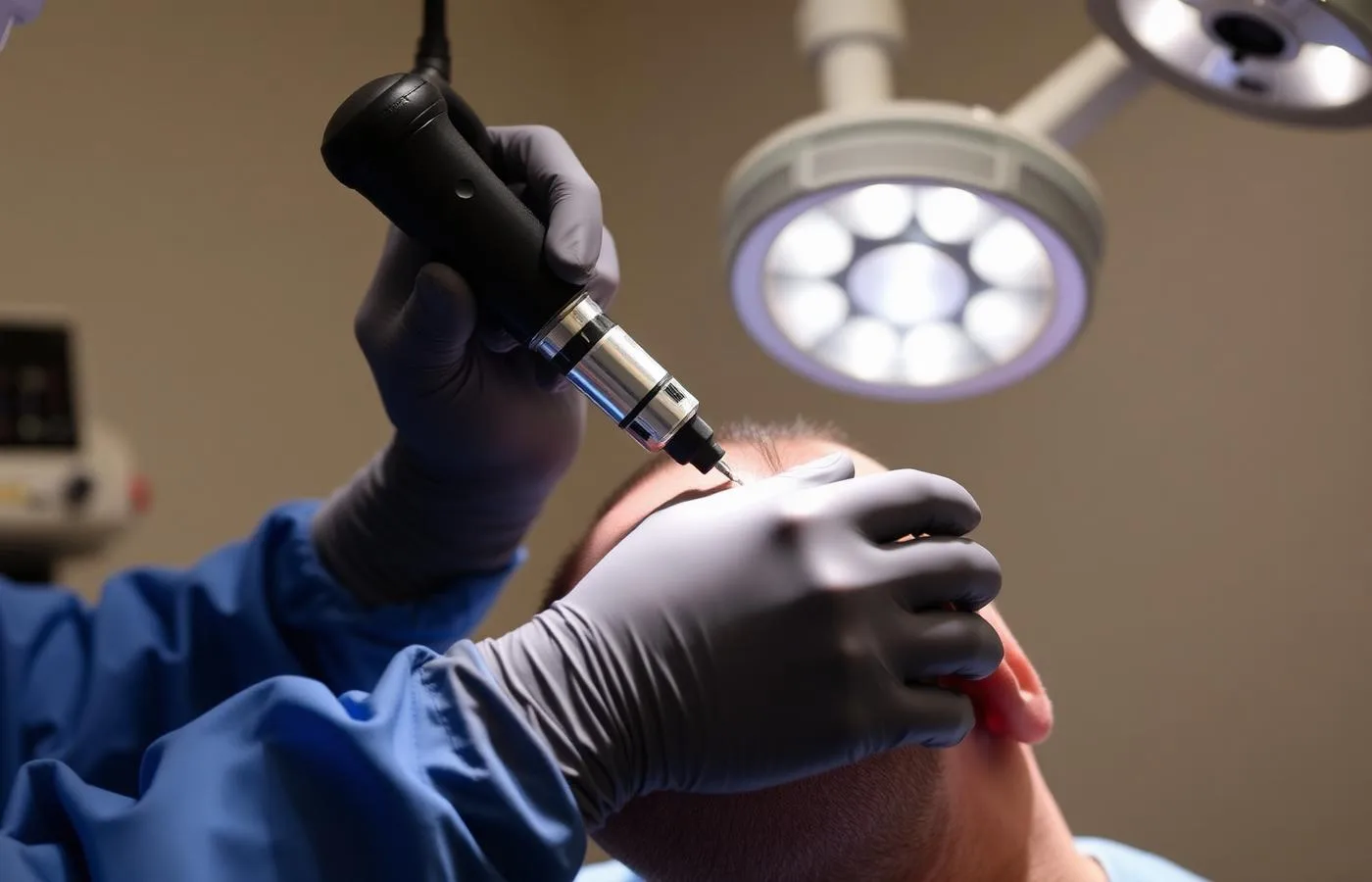
Adv FUE Hair Transplant
Adv FUE (Advanced Follicular Unit Extraction) is the high-volume version of standard FUE. A calibrated motorised micro-punch, sharper depth control and a larger surgical team allow us to harvest and place far more grafts in a single sitting — which is exactly what advanced Norwood grades need to look genuinely covered rather than thinly filled.
Read the full guide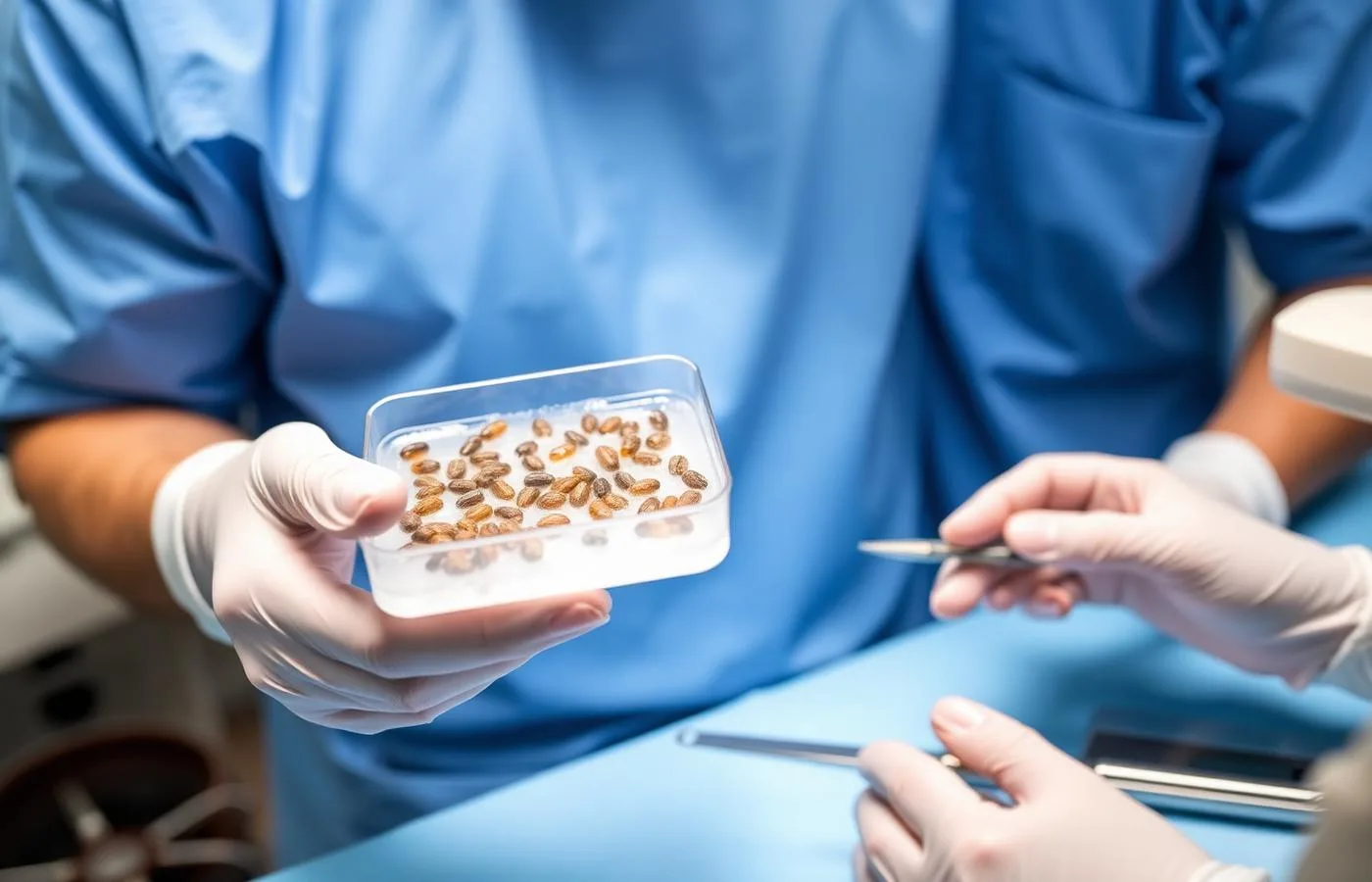
Bio FUE Hair Transplant
Bio FUE is standard follicular unit extraction combined with biological support — PRP or growth factor concentrate prepared from your own blood is used to bathe the grafts and treat the recipient scalp. The surgery is the same; what changes is the environment the transplanted follicles wake up in, which shows in faster growth and better protection of surrounding native hair.
Read the full guide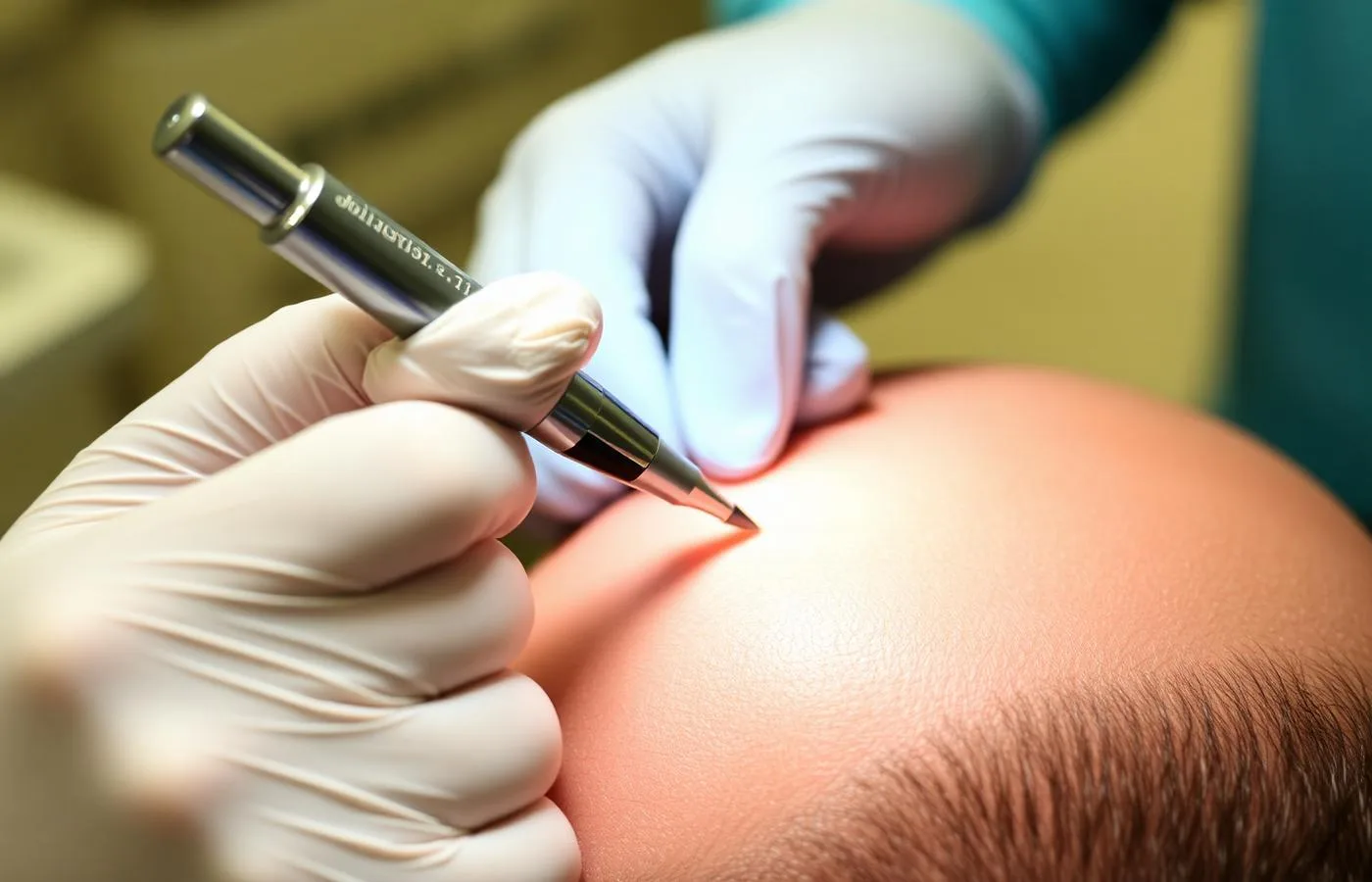
DHI Hair Transplant
Direct Hair Implantation (DHI) places each graft with a Choi implanter pen, which creates the incision and inserts the follicle in a single movement. Because no pre-made channels are needed, grafts spend less time outside the body and can be packed more densely at precisely controlled angles — which is why DHI is our preferred method for hairlines, crowns and unshaven cases.
Read the full guide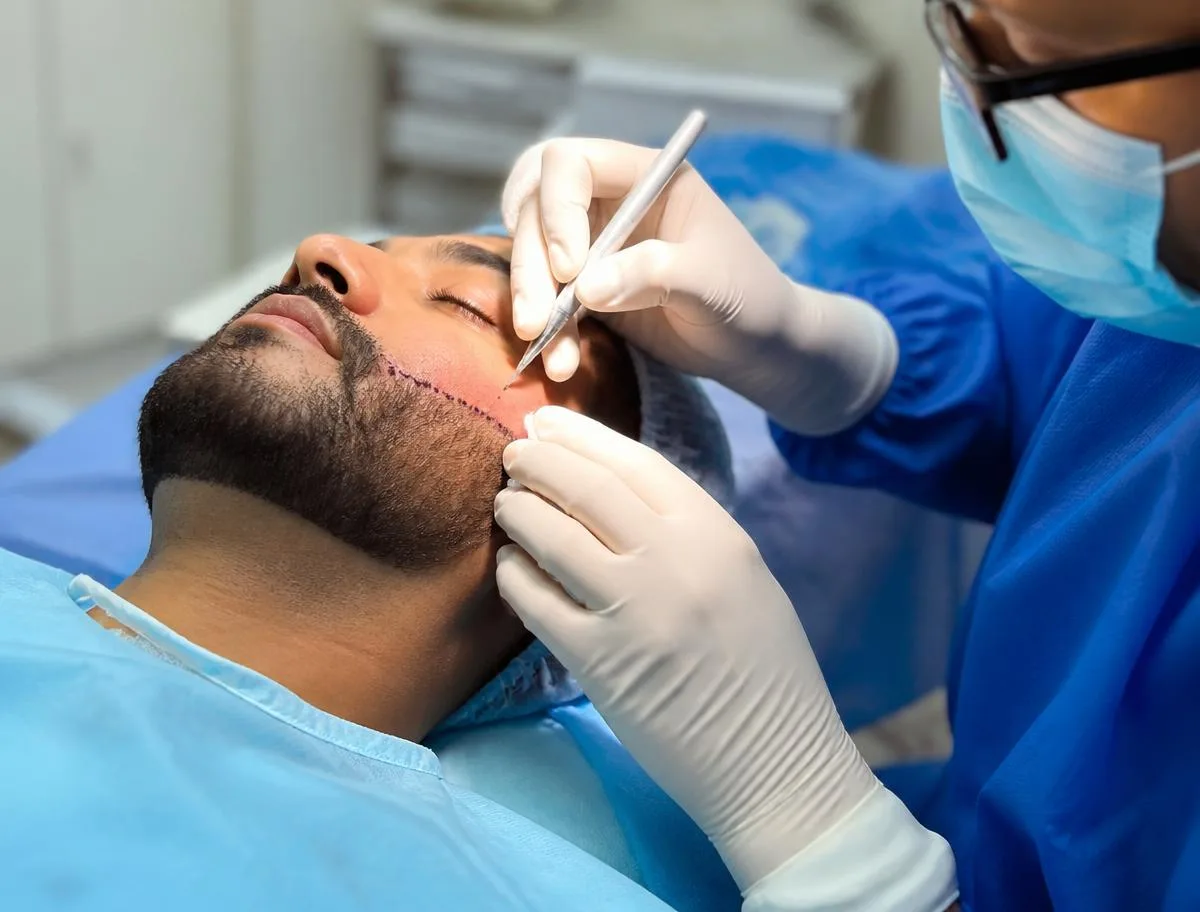
Beard Hair Transplant
A beard hair transplant fills patchy cheeks, sparse jawlines, moustache gaps and scarred areas using DHT-resistant grafts from the back of the scalp, placed at the flat, acute angles that make facial hair look genuinely native rather than implanted.
Read the full guideNot sure which method suits you?
A 30-minute assessment with trichoscopy tells you exactly what your scalp needs — and what it does not.